
Nutritional Psychiatry
Nutritional Psychiatry: Nourish Your Mind, Transform Your Life
Nutritional psychiatry is an emerging field that explores the powerful connection between diet, brain function, and mental health. What we eat not only fuels our body but also directly influences mood, cognition, and emotional well-being. Modern research highlights that poor nutrition, processed foods, and gut imbalances can contribute to mental health conditions such as depression, anxiety, and fatigue. On the other hand, a balanced and nutrient-rich diet supports brain health, improves resilience to stress, and enhances overall mental wellness. At our clinic, we integrate nutrition-based strategies with psychiatric care to provide a holistic approach to mental health. Our goal is to help individuals improve their mental well-being through sustainable dietary and lifestyle changes.
What We Focus On
The gut and brain are closely connected through a complex communication system known as the gut-brain axis. The gut microbiome (good bacteria in the digestive system) plays a key role in producing neurotransmitters like serotonin, which influence mood and emotions. An imbalance in gut health can lead to symptoms such as anxiety, low mood, and poor concentration. By improving gut health through diet, probiotics, and lifestyle changes, we can positively impact mental health.
Diet plays a crucial role in mental well-being. Nutrient deficiencies, irregular eating patterns, and unhealthy food habits can affect brain function and emotional stability. A well-balanced diet rich in vitamins, minerals, omega-3 fatty acids, and antioxidants supports brain health, enhances mood, and improves cognitive performance. Personalized nutritional guidance can significantly complement psychiatric treatment.
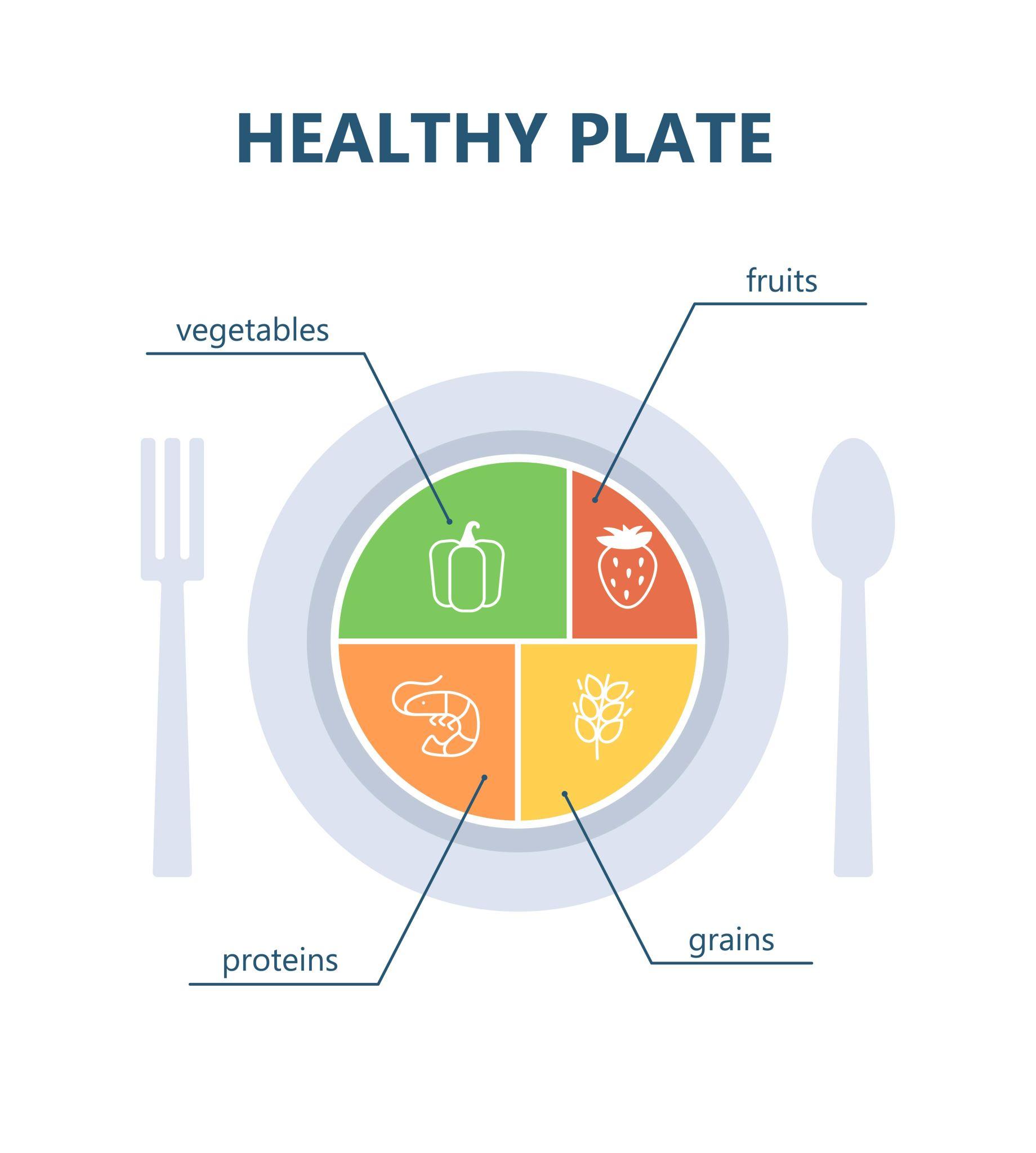
- We follow a holistic and science-based approach to nutritional psychiatry.
- Dietary Assessment – Understanding current eating habits and deficiencies
- Personalized Nutrition Plans – Tailored diet strategies for mental wellness
- Gut Health Optimization – Focus on microbiome balance
- Supplement Guidance – When clinically necessary
- Integration with Psychiatric Care – Combining nutrition with therapy and medication
- Lifestyle Counseling – Sleep, stress, and physical activity support
- Our aim is to treat the root cause and enhance mental health through sustainable lifestyle changes.